Is St. Petersburg, FL a Buyer's or Seller's Market Right Now?
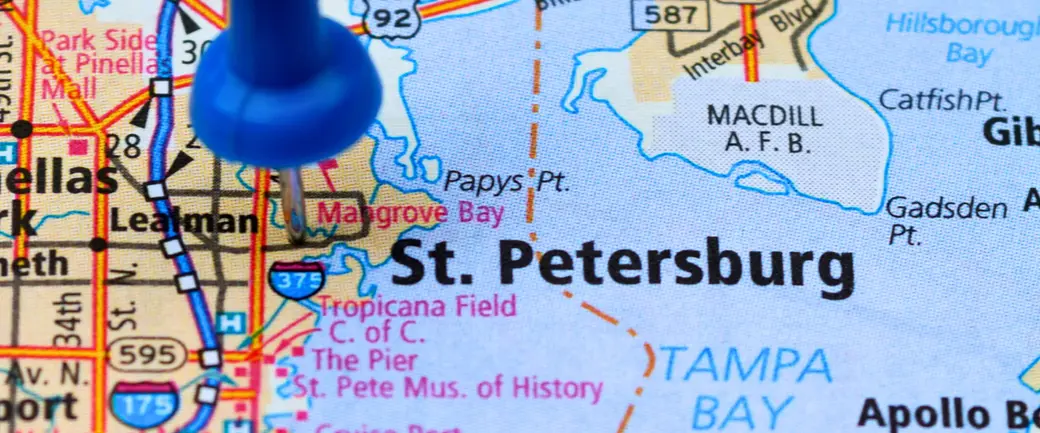
If you’ve been watching the St. Petersburg real estate market 2026 closely, you’ve likely noticed mixed signals.
Inventory is meaningfully higher than it was during the peak years. Days on market have stretched. Price reductions are more common. And yet, well-positioned homes in Historic Old Northeast and Historic Kenwood are still moving within weeks.
So which is it? A buyer’s market or a seller’s market?
The answer is more nuanced than a headline. St. Petersburg has transitioned into a balanced market. It is no longer the hyper-competitive seller environment of 2021 and 2022. It is also not experiencing the kind of sharp decline some national narratives suggest.
What we are seeing is a market that rewards preparation, pricing precision, and neighborhood-level strategy.
Is the St. Petersburg Real Estate Market a Buyer’s or Seller’s Market in 2026?
The broader picture of the St. Petersburg real estate market 2026 is consistent across multiple data sources.
Typical home values in St. Petersburg are hovering in the mid-$370,000 range, according to the Zillow Home Value Index. Median sale price data from Redfin’s St. Petersburg housing market report shows continued variability depending on property mix, with luxury and waterfront sales pulling averages upward.
Days on market have increased compared to last year. Active listings are significantly higher than at the market’s tightest point in 2022, creating a more negotiable environment across much of the city.
Mortgage rates have also shifted buyer psychology. The 30-year fixed rate has moved closer to the low 6% range, according to Freddie Mac’s Primary Mortgage Market Survey. That shift meaningfully improves affordability compared to the 7% range many buyers faced in 2024.
In short: buyers have more leverage than they did two years ago, but the market is far from distressed.
Why St. Petersburg Is Not Following a Simple National Script
The Pinellas County housing market has been shaped by local dynamics that national headlines rarely capture.
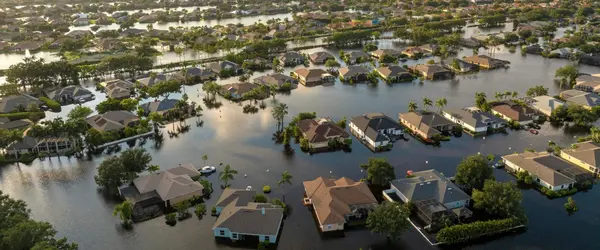
Storm activity in late 2024 impacted a number of flood-prone properties. Some of those homes have traded at discounts that skew city-wide median statistics. Those transactions do not reflect conditions in unaffected inland neighborhoods.
At the same time, flood zone designation and insurance cost have become primary underwriting considerations. Buyers routinely review flood maps through FEMA’s Flood Map Service Center before submitting offers.
A non-flood-zone property near Crescent Lake is being evaluated very differently than a home in FEMA Zone AE along the coast. That distinction materially affects pricing, days on market, and negotiation behavior.
Long-term fundamentals remain intact. Continued population migration to Florida, no state income tax, and a strengthening downtown core continue to support demand across much of St. Petersburg.
Neighborhood Behavior: St. Petersburg Is Not One Market
City-wide averages tell only part of the story. St. Petersburg FL homes for sale behave differently depending on neighborhood, elevation, and property type.
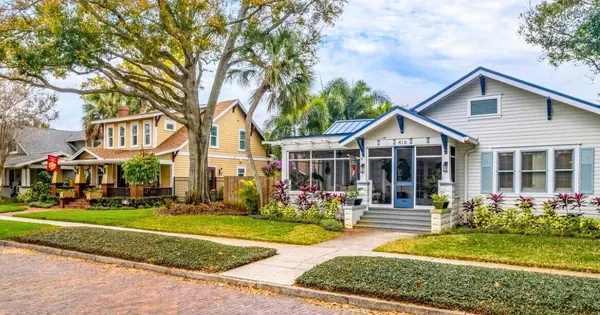
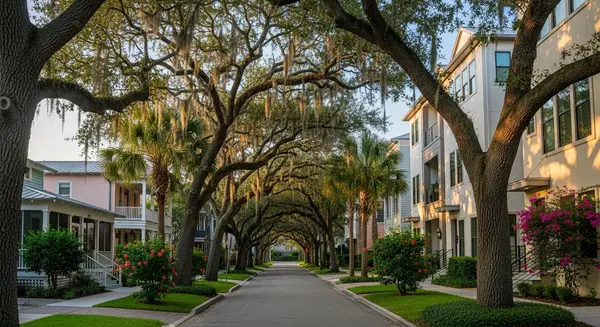
Historic Old Northeast and Snell Isle
Architectural character, walkability, and proximity to downtown keep demand steady. Updated homes priced in line with current comparables are still moving efficiently.
Historic Kenwood
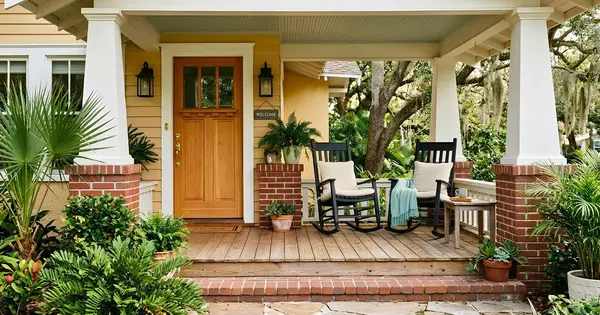
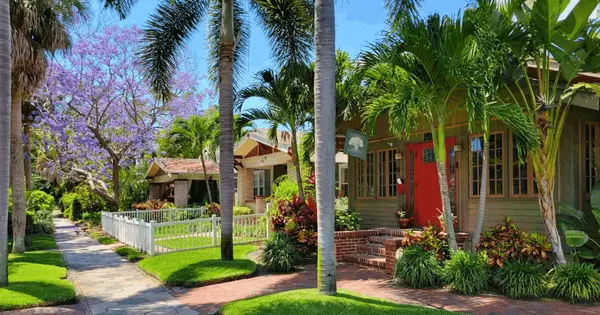
Craftsman bungalow inventory continues to attract buyers seeking charm and long-term value positioning.
Old Southeast and Crescent Lake
These neighborhoods offer lifestyle proximity at more moderate entry points. Pricing discipline is critical here.
Downtown Condos
This segment currently leans toward buyers due to elevated inventory and HOA considerations. If you want to review available inventory, you can browse current St. Petersburg homes for sale here.
What This Means for Sellers
If you are considering listing in the St. Petersburg real estate market in 2026, buyers are still active. What has changed is how they evaluate homes. Decisions are being made with more scrutiny around pricing, condition, insurance, and long-term cost of ownership.
They are evaluating insurance before showings. They are reviewing roof age and flood exposure. They are scrutinizing inspection findings more closely than they did in 2021.
Pricing is the most consequential decision.
Homes introduced at prices supported by current comparable data are selling. Homes priced against 2022 expectations are accumulating days on market.
If you want to understand where your property stands in today’s environment, you can request a data-backed valuation here:
Preparation and clarity outperform optimism.
What This Means for Buyers
For buyers, the St. Pete real estate trends in early 2026 offer leverage that did not exist two years ago.
You have time to compare options. You can negotiate repairs and concessions. Inspection contingencies are meaningful again.
Rates near 6% are not pandemic lows, but they are a material improvement from recent highs. For context on broader market costs, you may also want to review:
Before touring seriously:
-
Secure full pre-approval.
-
Review flood zone status.
-
Understand insurance cost impact.
-
Analyze recent comparable sales.
For a deeper dive into how individual St. Pete neighborhoods are performing right now:
Strong properties are still moving. What sits are homes with pricing misalignment or unresolved risk factors.
The Insurance and Flood Conversation
This is not optional in the 2026 market.
Buyers routinely verify flood zones through FEMA resources and evaluate insurance cost before final underwriting. Lenders require flood insurance for properties in designated zones, which materially impacts monthly payment calculations.
If you are buying, request elevation documentation early.
If you are selling in a flood zone, prepare documentation proactively.
In today’s Pinellas County housing market, transparency reduces friction.
Is It a Buyer’s or Seller’s Market?
It depends on segment.
Well-maintained single-family homes in non-flood zones in strong neighborhoods are closer to neutral or slightly seller-favored.
Downtown condos and flood-exposed properties lean more clearly toward buyers.
The broader Tampa Bay buyer or seller market conversation only makes sense when narrowed to property type and location.
Making a Strategic Decision
Whether you buy or sell in the St. Petersburg real estate market 2026 should be based on timeline, equity position, and neighborhood-level data.
Broad national headlines are not actionable strategy.
If you want a direct, current read on your home’s position or your buying power in today’s St. Pete home prices 2026 environment, start here:
Clarity creates leverage.
Categories
- All Blogs (44)
- 2025 Tampa Real Estate Market (14)
- 2026 Market Trends (8)
- Buyer (5)
- Buyer Resources (1)
- Buying & Selling Strategies (1)
- Buying Tips (7)
- Education (4)
- Flood Insurance (2)
- Florida Condo Market (1)
- Florida Home Buyer (1)
- Florida Home Insurance (2)
- Home Buyer (8)
- Home Seller (12)
- Homeownership & Planning (1)
- Hurricane Relief Resources (2)
- Investments & Rentals (1)
- Investor Tips (2)
- Local Lifestyle & Community (1)
- Luxury Real Estate (1)
- Luxury Real Estate Insights (1)
- Market Insights (1)
- Market Reports (2)
- Market Updates (1)
- NAR Updates (1)
- Neighborhood Spotlight (5)
- New Construction (1)
- Pinellas County Real Estate Market (1)
- Property Investor (1)
- Real Estate Investment (1)
- Seller Resources (3)
- Selling Tips (9)
- South Tampa Real Estate (1)
- St. Petersburg Real Estate (3)
- St. Petersburg Real Estate Market (7)
- St. Petersburg, FL (6)
- Tampa Bay Luxury Real Estate Market (1)
- Tampa Bay Real Estate (1)
- Tampa Bay Rental Market (1)
- Tampa Home Buying (7)
- Tampa Real Estate (5)
- Tampa Real Estate Market (10)
Recent Posts